Is Online Banking Safe?

Share
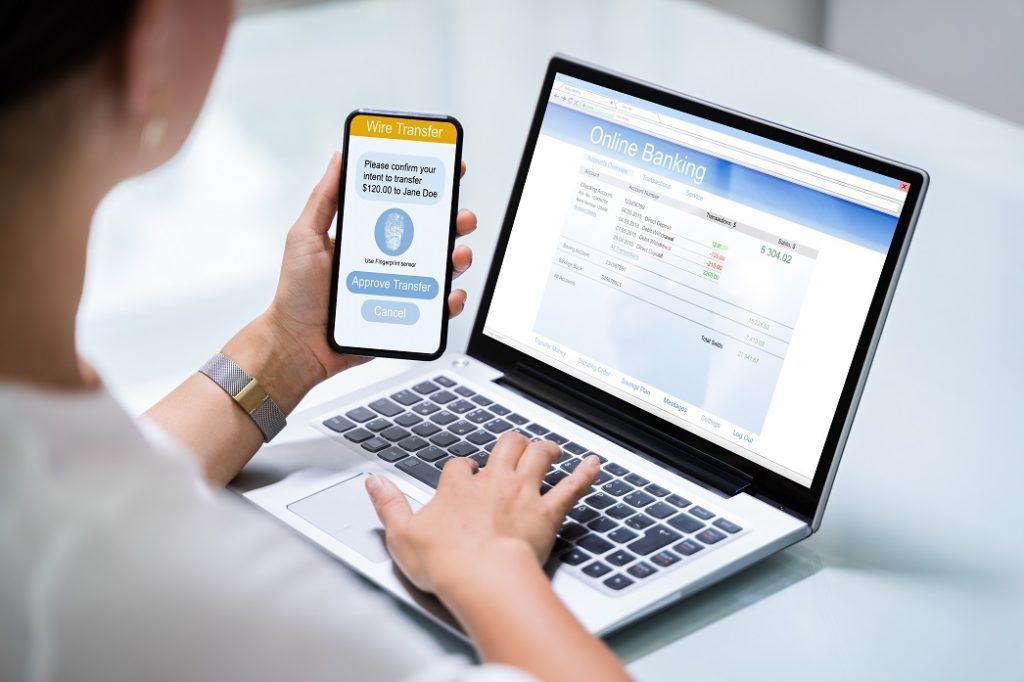
Online banking is banking via the Internet. However, the general public is unsure whether it is truly secure.
TAGGED UNDER: Internet Banking
Online banking allows people to adopt conventional banking activities, like account transfers, payment charges, requests to prevent bills, and so on, via the Internet. Customers also can preserve tabs at the account stability from the comfort of their domestic. At this point, online banking has become an imperative facility for folks who are pressed for time and discover it difficult, if now not possible, to reschedule their busy lives to create a few withdrawals and deposits. However, some troubles must be considered to avoid being cyber-scammed.
How Safe is Online Banking
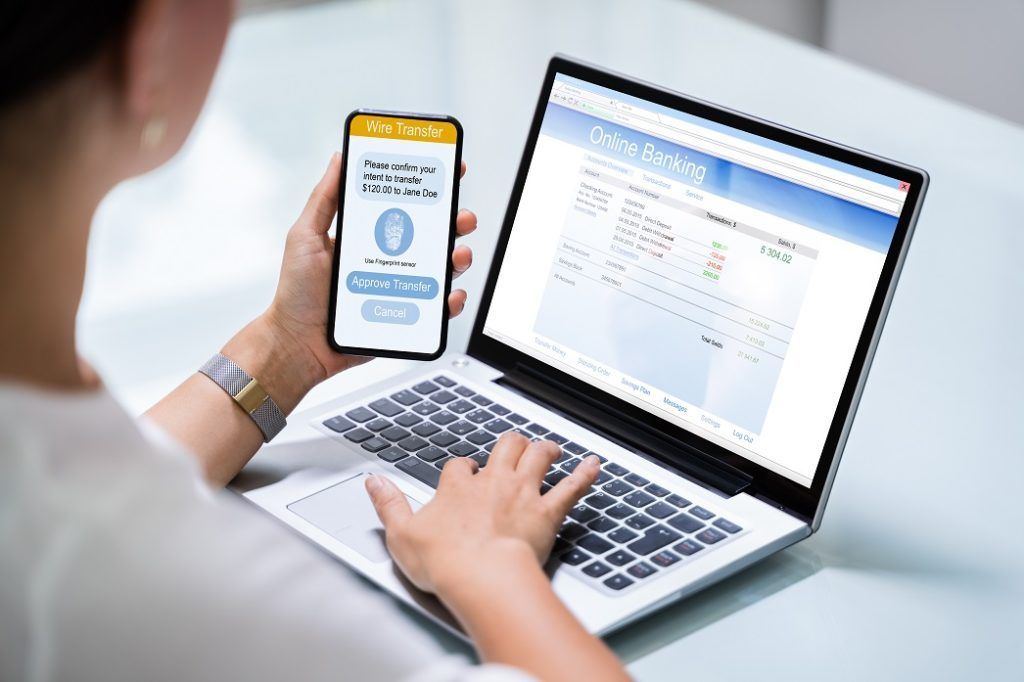
This question regularly torments the client, who appreciates online banking but has some misgivings about security. An online financial institution account is accessed with a username and a password. The purchaser ceases control over the online account by divulging these statistics to an impostor. The username and password may be obtained using a trickster in one of the following approaches.
READ MORE :
- Best Online Games
- 7 Heavenly Amazing Places to Visit During the Monsoon in India
- 14 Crucial Tips on How to Choose the Best Digital Marketing Agency
- An Excellent List of What to Pack for Your Next Amazing Bike Tour
- Ravel Hacks: Things You Need to Know Before Traveling to India
Phishing
Phishing is the attempt to collect probably touchy facts through email, on-the-spot messages, cell phones, fraudulent websites, and social networking websites. Generally, scammers send unsuspecting customers an email with a hyperlink spoofing the authentic bank website, forcing the email to divulge exclusive information like their username and password.
Malicious Software
The Internet copes with redirection, which results in redirecting clients to a copycat website that closely resembles the unique website online. This takes place when a malicious software program sneaks into the computer. Hackers may also use a malware application consisting of a keylogger to display the keystrokes. For this reason, the username and password can be received surreptitiously.
Weak Wireless Network Security
Most of those who get the right of entry to the Internet from their home are not tech-savvy. They may also inadvertently permit others to access wireless networks and retrieve private information.
Safe Online Banking Practices
Using Virtual Keyboards
Banks offer the option of using the digital keyboard to counteract keylogging malware. The customer must constantly use the digital keyboard instead of the bodily keyboard.
URL Beginning with “https://”
The website’s URL must start with “https://” instead of “HTTP://” because the former allows users to log in by creating an easy channel over an unsecured network.
Safe Access
One should avoid accessing the account from public computers and public Wi-Fi on one’s laptop. Moreover, a domestic network ensures safe and secure online banking offerings.
Choosing a Strong Password
A strong password is at least eight characters long and combines upper- and lowercase letters, numbers, and logos.
Choosing Security Questions
Most financial institution websites permit users to select security questions and solutions similar to usernames and passwords. Users accessing the account from a specific/unrecognized PC can be pressured to reply to this query, which affords extra protection.
Thwarting Phishing
One must avoid logging into the account through a link received in an incoming email asking for an alternate username or password. This email also helps ward off phishing.
In addition to these measures, one has to consider that not all banks operating on the Internet are now insured by the Federal Deposit Insurance Corporation (FDIC). FDIC-insured banks guarantee deposits of less than USD 100,000. Many banks chartered in remote places are not FDIC-insured. To determine whether a financial institution is FDIC-insured, the patron must visit the FDIC website.